
The thrill of risk and reward
The allure of casinos often lies in the electrifying dynamic between risk and reward. Gamblers are irresistibly drawn to the prospect of winning substantial sums of money amid the dazzling lights and captivating sounds of the gaming floor. This thrill is further heightened by the unpredictable nature of games, creating a rush of adrenaline that can be exhilarating. For those looking to maximize their fun, the best online pokies offer an exciting alternative, providing an experience that combines convenience with the same thrilling emotions—from anticipation to anxiety—with every spin of the wheel or shuffle of the cards.
However, this thrill transcends mere monetary gain; it taps into deeper psychological needs. Many gamblers associate winning with status and validation, believing that a large win could be life-altering. This desire for recognition can lead individuals to take greater risks, as they often rationalize their actions based on the potential for significant life improvements. The emotional high derived from a win reinforces their behavior, encouraging them to gamble more frequently in pursuit of that same exhilarating rush.
Additionally, the concept of loss aversion plays a critical role in the psychology of gamblers. Research shows that individuals experience losses more acutely than equivalent gains, leading them to chase losses in an attempt to reclaim what they’ve lost. This creates a cycle of behavior where players engage in gambling for redemption, often at the expense of their financial and emotional well-being. Understanding these motivations is crucial for gamblers, as it can help them recognize when their behavior may be spiraling into problematic territory.
The power of social influence
The social environment of a casino significantly shapes an individual’s gambling behavior. Casinos are intentionally designed to foster a sense of community and excitement, where people can collectively share the highs and lows of gambling. The presence of fellow gamblers can create social pressure, nudging individuals to partake in activities they might otherwise avoid. This influence can result in impulsive decisions, as the desire to fit in or celebrate a win can overshadow rational thinking and sound judgment.
Moreover, the camaraderie that develops among gamblers enhances the enjoyment of the experience. For many, gambling becomes a social event, whether it’s celebrating victories together or commiserating over losses. This social aspect strengthens feelings of belonging, making individuals feel part of a larger community with shared interests. However, this can also lead to the normalization of gambling behavior, entrenching individuals deeper into a cycle of frequent play.
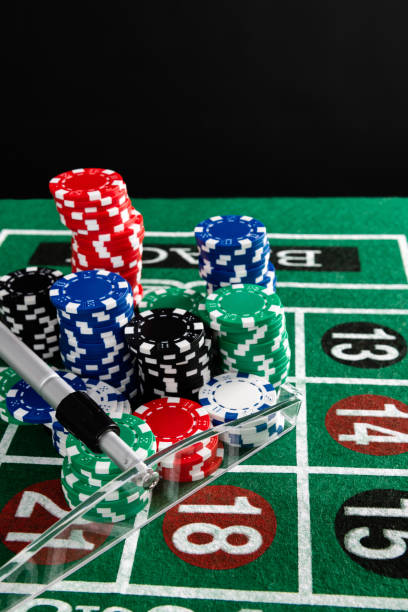
Advertising and celebrity endorsements within the gambling industry further amplify these social influences. Through strategic marketing, casinos craft a glamorous image, associating their environments with fun, friends, and fortune. This portrayal can entice individuals to view gambling as not only acceptable but also desirable. Consequently, many find themselves gambling beyond their means, seduced by the social narratives surrounding casino culture, which often glamorizes high-stakes play and the potential for wealth.
Cognitive biases and gambling behavior
Cognitive biases, or systematic errors in thinking, are prevalent in gambling behavior and can lead individuals to make irrational decisions. One notable example is the gambler’s fallacy, where individuals mistakenly believe that past outcomes affect future results. For instance, if a player observes a roulette wheel land on red multiple times, they may incorrectly assume that black is “due” for a win. This misunderstanding of probability can distort their decision-making processes, prompting them to place bets based on flawed reasoning.
Another common bias is the illusion of control, where gamblers overestimate their ability to influence the outcome of a game. Many players believe that their skills or strategies can impact random games of chance, leading them to take greater risks. This false sense of empowerment often results in higher stakes and prolonged playtime, as gamblers convince themselves they possess an edge that is nonexistent. Such cognitive distortions can perpetuate gambling behavior and make it increasingly challenging for individuals to disengage.
These cognitive biases are further exacerbated by the design of casino games themselves, which frequently exploit psychological tendencies. Features such as near-misses can create a deceptive sense of winning, encouraging players to continue betting as they chase the elusive success that seems just out of reach. Recognizing these biases and understanding their influence on gambling behavior is essential for individuals wishing to maintain a healthy relationship with gambling and avoid the potential pitfalls associated with excessive play.
The impact of technology on gambling psychology
Technological advancements have dramatically transformed the gambling landscape, altering not only how individuals gamble but also how they perceive and interact with the experience. Online casinos and mobile applications allow individuals to gamble from the comfort of their homes or on the go, providing instant access to numerous gambling opportunities. This convenience can lead to an increase in the frequency of play, as the barriers to access have been lowered, making it easier for individuals to indulge in gambling whenever the urge strikes.

The immersive nature of online gambling platforms employs psychological strategies designed to keep players engaged. Features such as personalized notifications, rewards, and social gaming elements encourage frequent interaction, sustaining players’ interest over time. Gamblers may find themselves spending more time and money online than they would in a traditional casino setting, where physical presence and social interaction serve as natural limits to playtime and expenditure.
Additionally, the anonymity offered by online gambling can foster problematic behavior, as individuals may feel less accountable for their actions. The absence of face-to-face interaction diminishes the social pressures typically present in brick-and-mortar casinos, potentially leading to reckless betting behavior. As technology continues to evolve, individuals must remain vigilant about their gambling habits, employing self-awareness and discipline to maintain control over their gaming activities.
Understanding gambling at every level
As the dynamics of gambling continue to change, fostering a comprehensive understanding of the psychological factors driving gambling behavior is crucial. Many individuals engage in gambling primarily for entertainment, but recognizing when the fun transitions into problematic behavior is essential for maintaining a healthy relationship with gambling. Awareness and education can empower individuals to navigate the complexities of gambling and its psychological impact, enabling them to make informed choices that prioritize their well-being.
Support systems, whether through family, friends, or professional organizations, play a vital role in helping individuals maintain a balanced approach to gambling. For those recognizing signs of problem gambling, resources such as counseling and support groups can provide invaluable assistance in developing coping strategies and restoring financial stability. Encouraging open conversations about gambling can help dismantle the stigma that often accompanies seeking help, fostering an environment where individuals can share their experiences without fear of judgment.
In conclusion, understanding the psychology behind gambling is critical for anyone who participates in this activity. By exploring the thrill of risk, the power of social influence, cognitive biases, and the impact of technology, individuals can gain valuable insights into their motivations and behaviors. The key to enjoying gambling lies in maintaining a balanced perspective, recognizing the signs of potential issues, and seeking assistance when necessary, ensuring a healthier approach to gaming in all its forms.
